For cryptocurrency to achieve mass adoption, breaches that can be easily prevented — like the phishing attack that resulted in OpenSea losing $1.7 million — need to end.

For cryptocurrency to achieve mass adoption, breaches that can be easily prevented — like the phishing attack that resulted in OpenSea losing $1.7 million — need to end.
Indonesia's financial services regulator first expressed its intentions to establish a crypto exchange back in 2021.
The company also booked a loss of $34 million on its first-ever Bitcoin sale last quarter but said it was conducted to harvest a tax loss.
The hedge fund manager instead wants to see an “inflation-linked coin” be brought to the masses which would serve to ensure consumers secure their buying power.
The hedge fund manager instead wants to see an “inflation-linked coin” be brought to the masses which would serve to ensure consumers secure their buying power.
Our weekly roundup of news from East Asia curates the industry’s most important developments.
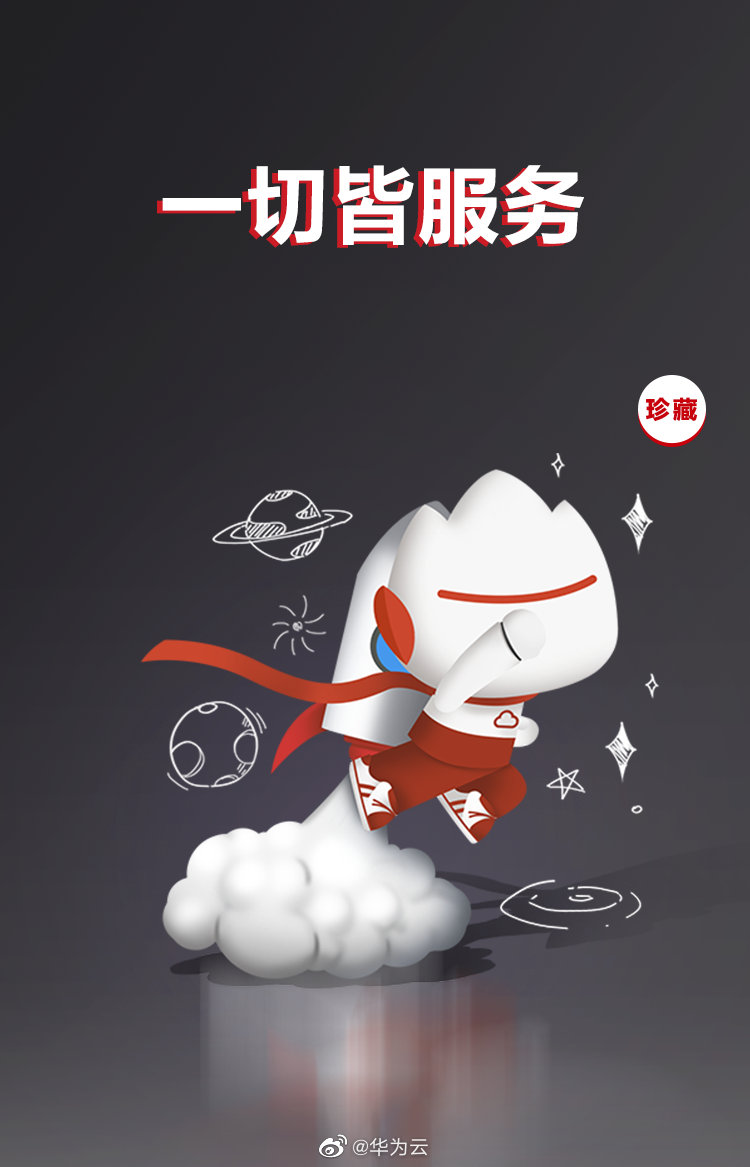
According to a Jan. 28 report by Sina News, Chinese telecom giant Huawei has recently filed for eight trademarks related to its Huawei “YunYunBao” nonfungible tokens (NFT) series. The trademarks include digital collectibles in the scientific instruments, furniture, education, jewelry, advertising and telecom sectors. Last April, Huawei unveiled its YunYunBao NFTs, featuring characters inspired by its namesake cloud service. Huawei NFTs are minted on its proprietary Huawei Petal Chain, which the telecom giant says has over 1,000 nodes and can handle over 50,000 transactions per second.
A Huawei cloud NFT. Source: HuaweiIn a Feb. 1 Medium post, Sota Watanabe, the founder of Japanese blockchain Astar Network, announced that Astar had received a sponsorship from Japanese automobile manufacturer Toyota for its latest Web3 hackathon. Astar is currently a parachain built on the Polkadot blockchain.
According to Watanabe, over $100,000 in prizes will be distributed to projects that develop “intra-company DAO [Decentralized Autonomous Organization] support tools for this hackathon which Toyota employees may actually use in the future.” The hackathon will run from Feb. 14 to March 25.
The Toyota hackathon prize structure. Source: Hakuhodo“Needless to say, Toyota is the largest company in Japan and one of the world’s leading international companies,” Watanabe wrote. “We are very excited to be hosting the Web3 Hackathon on Astar with Toyota. During the event, we aim to develop the first PoC DAO tool for Toyota’s employees. If a good tool is produced, Toyota employees will interact daily with products on Astar Network.”
Our weekly roundup of news from East Asia curates the industry’s most important developments. Huawei moves to trademark its NFTs According to a Jan. 28 report by Sina News, Chinese telecom giant Huawei has recently filed for eight trademarks related to its Huawei “YunYunBao” nonfungible tokens (NFT) series. The trademarks include digital collectibles in the […]
Our weekly roundup of news from East Asia curates the industry’s most important developments. Huawei moves to trademark its NFTs According to a Jan. 28 report by Sina News, Chinese telecom giant Huawei has recently filed for eight trademarks related to its Huawei “YunYunBao” nonfungible tokens (NFT) series. The trademarks include digital collectibles in the […]
Our weekly roundup of news from East Asia curates the industry’s most important developments.
According to a Jan. 28 report by Sina News, Chinese telecom giant Huawei has recently filed for eight trademarks related to its Huawei “YunYunBao” nonfungible tokens (NFT) series. The trademarks include digital collectibles in the scientific instruments, furniture, education, jewelry, advertising and telecom sectors. Last April, Huawei unveiled its YunYunBao NFTs, featuring characters inspired by its namesake cloud service. Huawei NFTs are minted on its proprietary Huawei Petal Chain, which the telecom giant says has over 1,000 nodes and can handle over 50,000 transactions per second.
A Huawei cloud NFT. Source: HuaweiIn a Feb. 1 Medium post, Sota Watanabe, the founder of Japanese blockchain Astar Network, announced that Astar had received a sponsorship from Japanese automobile manufacturer Toyota for its latest Web3 hackathon. Astar is currently a parachain built on the Polkadot blockchain.
According to Watanabe, over $100,000 in prizes will be distributed to projects that develop “intra-company DAO [Decentralized Autonomous Organization] support tools for this hackathon which Toyota employees may actually use in the future.” The hackathon will run from Feb. 14 to March 25.
The Toyota hackathon prize structure. Source: Hakuhodo“Needless to say, Toyota is the largest company in Japan and one of the world’s leading international companies,” Watanabe wrote. “We are very excited to be hosting the Web3 Hackathon on Astar with Toyota. During the event, we aim to develop the first PoC DAO tool for Toyota’s employees. If a good tool is produced, Toyota employees will interact daily with products on Astar Network.”
Our weekly roundup of news from East Asia curates the industry’s most important developments.
According to a Jan. 28 report by Sina News, Chinese telecom giant Huawei has recently filed for eight trademarks related to its Huawei “YunYunBao” nonfungible tokens (NFT) series. The trademarks include digital collectibles in the scientific instruments, furniture, education, jewelry, advertising and telecom sectors. Last April, Huawei unveiled its YunYunBao NFTs, featuring characters inspired by its namesake cloud service. Huawei NFTs are minted on its proprietary Huawei Petal Chain, which the telecom giant says has over 1,000 nodes and can handle over 50,000 transactions per second.
A Huawei cloud NFT. Source: HuaweiIn a Feb. 1 Medium post, Sota Watanabe, the founder of Japanese blockchain Astar Network, announced that Astar had received a sponsorship from Japanese automobile manufacturer Toyota for its latest Web3 hackathon. Astar is currently a parachain built on the Polkadot blockchain.
According to Watanabe, over $100,000 in prizes will be distributed to projects that develop “intra-company DAO [Decentralized Autonomous Organization] support tools for this hackathon which Toyota employees may actually use in the future.” The hackathon will run from Feb. 14 to March 25.
The Toyota hackathon prize structure. Source: Hakuhodo“Needless to say, Toyota is the largest company in Japan and one of the world’s leading international companies,” Watanabe wrote. “We are very excited to be hosting the Web3 Hackathon on Astar with Toyota. During the event, we aim to develop the first PoC DAO tool for Toyota’s employees. If a good tool is produced, Toyota employees will interact daily with products on Astar Network.”
Our weekly roundup of news from East Asia curates the industry’s most important developments. Huawei moves to trademark its NFTs According to a Jan. 28 report by Sina News, Chinese telecom giant Huawei has recently filed for eight trademarks related to its Huawei “YunYunBao” nonfungible tokens (NFT) series. The trademarks include digital collectibles in the […]
Our weekly roundup of news from East Asia curates the industry’s most important developments. Huawei moves to trademark its NFTs According to a Jan. 28 report by Sina News, Chinese telecom giant Huawei has recently filed for eight trademarks related to its Huawei “YunYunBao” nonfungible tokens (NFT) series. The trademarks include digital collectibles in the […]
A federal judge presiding over Avraham Eisenberg's criminal case has reportedly set a followup court date for Feb. 14.
There were almost twice as many state actions as federal in 2022, although both the feds and the states broke previous record by significant margins.
The Fed’s interest hike matched the market consensus and weak employment data boosted investors’ appetite for risk assets, but BTC traders should still exercise caution.
On Feb. 1 and Feb 2. Bitcoin’s (BTC) price surpassed even the most bullish price projections after the U.S. Federal Reserve announced plans to raise interest rates by 25 basis points.
Even though Fed chair Jerome Powell told investors not to wait for interest rate cuts in 2023, during his press conference he did clearly state that the employment data is currently the main focus.
The results of the ADP payroll survey revealed on Feb. 1 that U.S. private-sector hiring was significantly slower in January. ADP’s measure of private sector payrolls was 106,000, well below the 160,000 market consensus. This data fueled investors’ expectations of future interest rate hikes by the Fed going forward.
After testing the $22,500 support on Feb. 1, Bitcoin gained 6.5% in five hours and has since been flirting with the $24,000 level. While the recent gains are exciting, traders should note that the improvement in crypto market sentiment tracked the risk-on attitude seen in traditional markets.
Stocks with negative operating margin presented significant gains on Feb. 2, including Coinbase (COIN) 20%, Cloudflare (NET) 15%, Unity Software (U) 12% and DoorDash (DASH) 10%. That factor alone should be a warning sign that the gains of the last few weeks might not be sustainable. It’s also important to remember that Bitcoin’s 40-day correlation to the S&P 500 remains above 75%.

USDC issuer Circle Inc. previously released a euro-backed stablecoin that is regulated in the United States.
Fumio Kishida said there were “various possibilities for using Web3” in Japan and has previously supported blockchain-based initiatives for authorities using digital solutions.
The memecoin phenomenon didn’t prove as effective in the last month's start of year crypto market rally, as the gains of the top cryptocurrencies in this category barely outperformed Bitcoin. The monthly gain of BTC stood at 44.5%, while the top two meme-based coins DOGE and SHIB gained 27% and 40.7%, respectively.
Top meme-coins by total market capitalizations. Source: CoinMarketCapDogecoin is losing its popularity as its most prominent supporter Elon Musk is reportedly developing an independent Twitter Coin instead of integrating his favorite cryptocurrency with the social media platform owned by the entrepreneur.
For the greater part of 2022, DOGE/USD performed poorly except for when Elon Musk acquired Twitter. The acquisition raised hopes in the Dogecoin community about increased cryptocurrency usage.
However, without any tangible announcements or reports from Twitter hinting at Dogecoin usage, the 100% price surge from October 2022 reversed in the following two months. The Google search volume for the token has also subsided since Q1 2022.
Dogecoin is losing its popularity as its most prominent supporter Elon Musk is reportedly developing an independent Twitter Coin instead of integrating his favorite cryptocurrency with the social media platform owned by the entrepreneur.

The memecoin phenomenon didn’t prove as effective in the last month's start of year crypto market rally, as the gains of the top cryptocurrencies in this category barely outperformed Bitcoin. The monthly gain of BTC stood at 44.5%, while the top two meme-based coins DOGE and SHIB gained 27% and 40.7%, respectively.
Top meme-coins by total market capitalizations. Source: CoinMarketCapDogecoin is losing its popularity as its most prominent supporter Elon Musk is reportedly developing an independent Twitter Coin instead of integrating his favorite cryptocurrency with the social media platform owned by the entrepreneur.
For the greater part of 2022, DOGE/USD performed poorly except for when Elon Musk acquired Twitter. The acquisition raised hopes in the Dogecoin community about increased cryptocurrency usage.
However, without any tangible announcements or reports from Twitter hinting at Dogecoin usage, the 100% price surge from October 2022 reversed in the following two months. The Google search volume for the token has also subsided since Q1 2022.
Dogecoin is losing its popularity as its most prominent supporter Elon Musk is reportedly developing an independent Twitter Coin instead of integrating his favorite cryptocurrency with the social media platform owned by the entrepreneur.